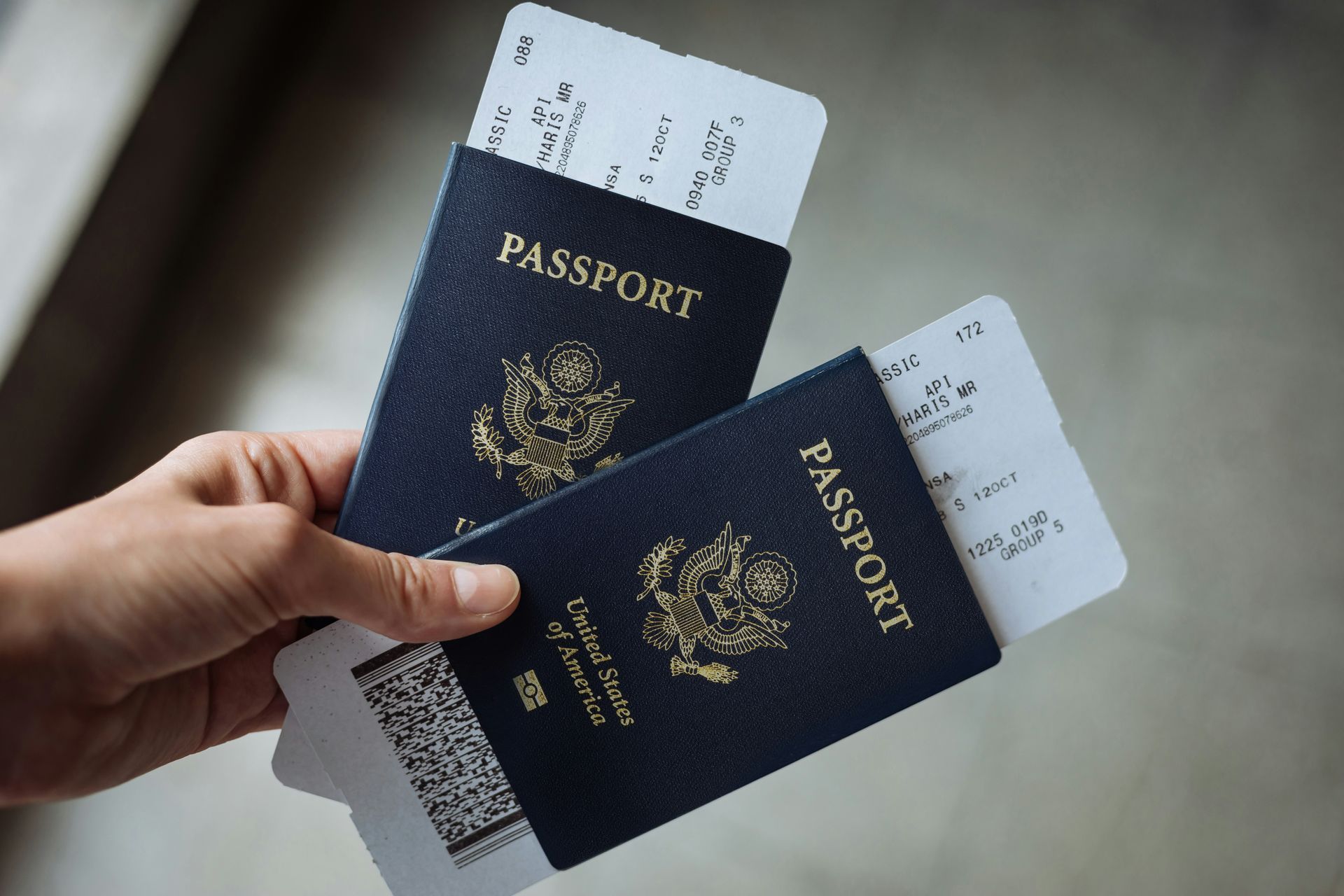
Puerto Rico is closer and easier than people expect in some ways: no passport, no currency exchange. But it's also an island with its own rhythm, weather, and quirks, and a lot of that only becomes obvious after you've landed. Some of what's below is practical: the traffic patterns, the road conditions, the extra percentage that shows up on your restaurant check. Some of it's just texture: the frog you'll hear before you see it, a holiday season that starts before Thanksgiving, a version of "on time" that isn't quite the mainland's. None of it should scare you off. All of it should make the trip feel less like a guess and more like you already knew the place a little. Here's what we'd tell a friend before they landed.
1. Spanish is the main language, especially once you're outside the main tourist areas.
In Condado, Ocean Park, Isla Verde, and Old San Juan, you'll get by comfortably in English, restaurants, hotels, and most day-to-day interactions won't be a problem. Step outside those areas, though, and Spanish is unmistakably the primary language people speak day to day. Locals are generally warm and patient with visitors either way, but making an effort with even a little Spanish, a greeting, a please and thank you, goes a long way and is genuinely appreciated.
2. Traffic in San Juan can be worse than it looks on a map.
Distances that look like a quick hop can take 20 to 30 minutes at the wrong time of day. Weekday rush hour generally runs 7 to 9 in the morning and 4 to 7 in the evening, and it's worst along the main highways connecting the airport to the city. We'd point you toward Google Maps over Apple Maps here, it's noticeably more accurate for navigating the island. Build a little slack into any plans that involve a flight to catch or a dinner reservation.
3. Road quality varies, and some of it is genuinely rough.
Potholes show up even on well-used roads, and a lot of residential streets are narrow, sometimes one car wide with two-way traffic assumed. Rain makes it worse, potholes can hide under standing water, and some rural roads have minimal lighting after dark. If you're driving, go slower than you would at home, and if you're heading out on a day trip, budget extra time beyond what the GPS estimate suggests.
4. The local wildlife.
Lizards and insects are a normal part of Caribbean life, especially in the rainier months,
more on that here
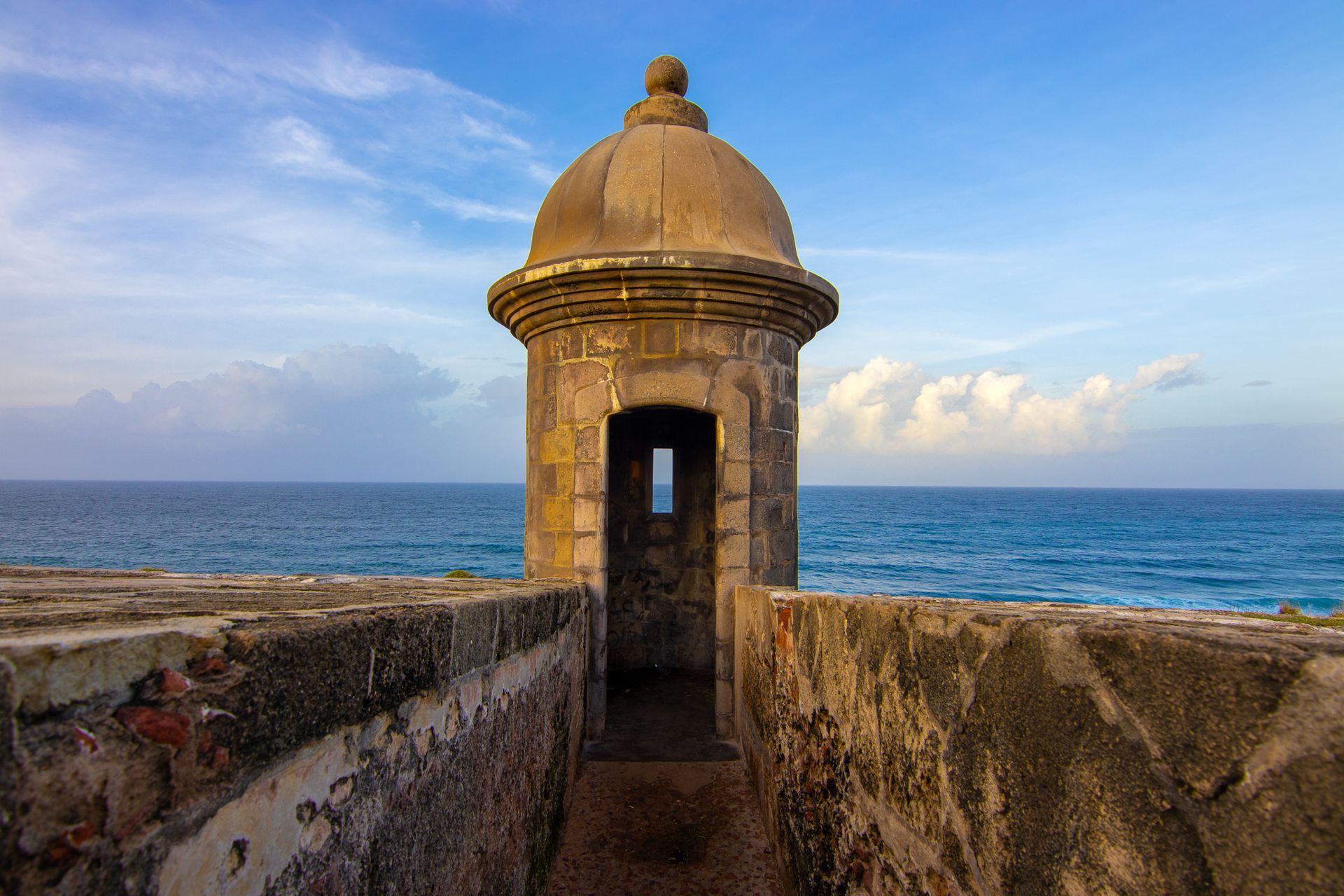
if you're staying in a villa. You'll also likely hear the coquí before you see one, a small native tree frog whose nighttime call is practically the sound of Puerto Rico. It's harmless, and for most visitors it becomes one of the more charming parts of falling asleep here. Old San Juan also has a well-known population of stray cats living around the old fortifications, a genuine local fixture, not a stray-animal problem, and people look out for them. Stray dogs are common too, especially outside the city in more rural areas. Like the cats, they're generally not aggressive, more interested in finding shade than in you, and not something to be concerned about.
5. A few spots are better seen by day than by night.
La Perla, the neighborhood tucked below the city walls in Old San Juan, is a storied part of the city and worth walking through during the day. After dark, it's commonly advised to skip it. The tourist-heavy stretches of Condado, Ocean Park, Isla Verde, and the main streets of Old San Juan are generally well-trafficked and comfortable for a normal evening out. The caution is more about wandering into unfamiliar side streets late at night than about the neighborhood itself, the same ordinary big-city instinct you'd apply anywhere: stick to well-lit, populated areas once the sun's down.
6. Uber and Lyft cover San Juan well; the rest of the island is a different story.
Within the metro area, rideshare is reliable and reasonably priced. Head outside it, El Yunque, the west coast, Ponce, and you'll want a car. If you do rent one, book it before you land, especially during high season, since airport rental counters can run short on inventory. Gas stations are plentiful across the island, so running out isn't something to plan around.
Here's the full breakdown on when you need one.
7. Tap water is safe to drink.
Puerto Rico's water systems fall under the same federal safety standards as the mainland. Ice at restaurants and bars is made the same way and is safe too. If you'd rather stick to bottled water out of habit, it's sold everywhere and cheap.
8. There's no daylight saving time.
Puerto Rico stays on Atlantic Standard Time year-round. In practice, that means the island matches the U.S. East Coast during the summer months and runs an hour ahead of it in the winter, since the mainland falls back and Puerto Rico doesn't move at all. Worth double-checking before you coordinate a call home.
9. Combined sales tax runs about 11.5%.
It's one of the higher rates you'll encounter in the U.S., and restaurant menus almost never show it. The number on the check runs noticeably higher than the menu price before a tip is even added, worth mentioning to your group ahead of time so nobody's caught off guard at the table.
10. Noise is part of the culture.
Music from a car, a balcony, or a beach gathering is normal here and generally welcomed, not something locals consider rude. It comes from a culture that spends a lot of life outdoors and values being around people rather than shutting the world out. Leaning into it, rather than bracing for it, is part of what makes a trip here feel different from a typical mainland vacation.
11. The holiday season starts earlier and runs longer here than on the mainland.
Puerto Ricans tend to begin celebrating well ahead of December and keep it going well past New Year's Day. It's not unusual to see decorations up and hear parrandas, a local caroling tradition where a group moves door to door with music, starting as early as late October or November. If you're visiting anytime from fall through mid-January, don't be surprised to find the island already in full holiday spirit. Three Kings Day, January 6th, is one of the biggest dates on that calendar, and some local businesses run limited hours or close entirely around it.
12. "Island time" is a real thing, and it's everywhere, not just at small local spots.
Posted hours are a guideline, not a guarantee, at restaurants and shops of every size. It also takes longer to get anywhere than the size of the island suggests, an hour on the map can easily be closer to two once traffic and winding roads are factored in. Build extra cushion into your plans, and resist the urge to pack a day too full. Trying to do too much back to back is the fastest way to run out of time and end up rushing through a trip that's supposed to be the opposite.
13. Beach vendors are a normal part of the scene.
People selling drinks, snacks, or handmade jewelry along the sand are common and easy to wave off with a friendly no thanks if you're not interested. Prices are often flexible, especially on jewelry or crafts, so a bit of friendly negotiating is normal rather than awkward. Cash in smaller bills makes these transactions easier for everyone.
14. Emergency services work the same as the mainland.
Dial 911, and hospitals in San Juan are modern and well-equipped. For anything short of that, pharmacies like Walgreens and CVS are common throughout the city and carry the same over-the-counter basics you'd find at home, several with extended or 24-hour hours. Worth knowing and then not thinking about again for the rest of the trip.
15. Infrastructure here is different than on the mainland.
Brief power and water outages happen across the island, more often than most visitors are used to at home. They're generally short, often resolved within a few hours, and considered a normal part of island life rather than a sign anything's wrong. If you're staying in a villa,
here's more on what that means for your stay and how properties like ours plan around it with backup systems. Cell service and wifi are generally solid in San Juan and the main tourist areas, though both can get spottier the further out you travel.
The quick version
- English works fine in the tourist areas; Spanish is the main language everywhere else, and a little effort goes a long way.
- Traffic can be worse than the map suggests, especially 7-9am and 4-7pm.
- Roads can be rough, drive accordingly, and more so after rain.
- Wildlife is common but mostly harmless; listen for the coquí, and expect stray cats in Old San Juan and stray dogs outside the city.
- See La Perla by day, not after dark; the main tourist areas are comfortable at night.
- Uber and Lyft cover San Juan; book a rental car ahead if you need one for the rest of the island.
- Tap water and ice are both safe to drink.
- No daylight saving time; the island matches the East Coast in summer, an hour ahead in winter.
- Sales tax runs about 11.5%, rarely shown on the menu itself.
- Noise is culture, not a disturbance.
- Holiday season starts earlier and runs longer here than on the mainland.
- "Island time" is real, everywhere, and travel between places takes longer than expected, don't overpack the schedule.
- Beach vendors are normal, easy to wave off, and open to a little negotiating.
- 911 and hospitals work the same as the mainland; pharmacies cover everything smaller.
- Brief power and water outages are normal here; cell service and wifi can get spottier outside San Juan.
A few things worth reading in full
This page covers the broad strokes. For the details that deserve their own space:
Frequently asked questions
Do I need to speak Spanish in Puerto Rico? Not in the main tourist areas, English is widely used there. Outside of them, Spanish is the primary language, and a little effort is genuinely appreciated.
Is Puerto Rico safe for tourists? Yes, for the overwhelming majority of visitors and areas. The same common-sense precautions that apply in any city, sticking to well-lit areas at night, being aware of your surroundings, apply here too.
Is the tap water safe to drink in Puerto Rico? Yes. Puerto Rico's public water systems meet the same federal safety standards as the mainland U.S.
Does Puerto Rico observe daylight saving time? No. It stays on Atlantic Standard Time year-round, which means it matches the East Coast in summer and runs an hour ahead of it in winter.
Are power outages common in Puerto Rico? Brief outages happen from time to time and are considered a normal part of island infrastructure, not a sign of a problem. Most are resolved within a few hours.
Once you've got the basics down, the next big decision is where to stay and how big a place your group needs. Here's our full breakdown of
Condado, Ocean Park, Isla Verde, and Old San Juan.